



On the night of Friday 31st March 1922, the entire Hinterkaifeck household would tragically, and brutally, lose their lives. This included Andreas and Cazilia Gruber, the Grandparents, their widowed daughter Viktoria Gabriel, her two children Cazilia and Josef, and Maria Baumgartner, the newly employed maid. This one hundred year old cold case still grips the true crime community not least because of its tragic nature but also the seemingly bizarre events surrounding it. Footprints in the snow, missing keys, strange noises in the attic and a murderer who appeared to have stayed at their crime scene for at least two days. Motive theories include political espionage, gun smuggling, an ex-lover’s revenge or even that the maid, Maria, who had arrived only that day somehow brought murder to Hinterkaifeck.
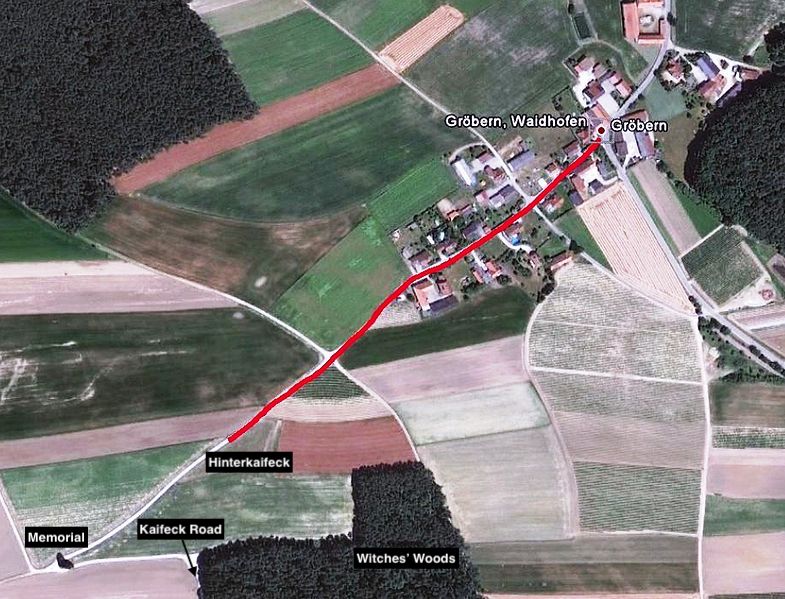
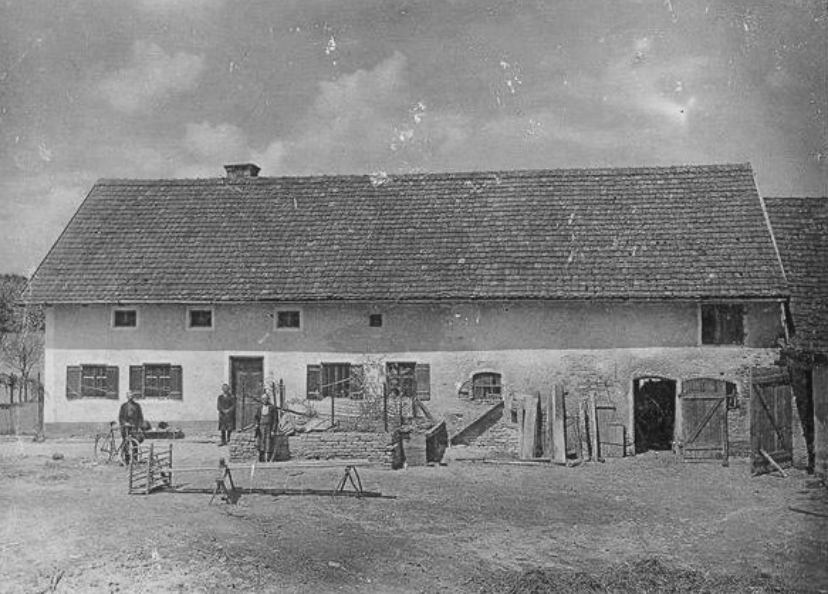
So, where is Hinterkaifeck? Rather than a German town, which I wrongly assumed, it was actually a farmstead nestled in the hilly Bavarian countryside. It lay 43 miles north of Munich and its nearest town was Grobern, Waidhofen; this is where the Grubers/Gabriels would go to attend school, church, collect their mail etc. The farm itself was demolished in 1923, around a year after the tragic murders, but you can still find a memorial to the victims just a little further down the road.
Sidenote: The Kingdom of Bavaria became a State of the Germanic Empire in 1871. Then on 12th November 1918, post-German Revolution, the last of the Bavarian Royal Family (King Ludwig III) was deposed and it became the Free State of Bavaria. At the time of the Hinterkaifeck murders, post-war Germany was in political and economic chaos, the country and it’s States were seeing a steep increase in crime as the Mark’s value plummeted. Between 1922 and 1923 hyperinflation would impoverish millions of German citizens and its knock-on effect would eventually see Adolf Hitler’s rise to power, a sombre lesson indeed.
We begin with a bit of a deep dive into Hinterkaifeck’s history and the background of those who were living there on that fateful night. It begins on April 24th 1877 with the marriage of Cazilia Sanhuter (27) to Josef Asam (24). On that very same day Josef’s Father, Johann, transfers the Hinterkaifeck property into his son’s name and a marriage contract is signed stating that Cazilia would now be co-owner of the farmstead. From the records available we can pretty much safely assume that Cazilia and Josef would go on to have three children, two sons and a daughter. Martin, born on 23rd July 1879; Cazilia, born on 8th February 1881 and Andreas, born on 10th July 1883. There is, sadly, a record of another little girl who was stillborn or who passed very quickly after her birth on 15th December 1877.
Whilst there seems to be no report nor record of scandal throughout their marriage they did suffer the loss of not only their daughter mentioned above but also of Andreas, their youngest son, who passed away in October of 1883 making him just three months old. Sadly, for Cazilia she would then go on to lose her husband Josef on 21st May 1885 from pneumonia. So here I have to stop myself from falling down an internet rabbit hole and letting the actual crime story run away from me. I shall briefly mention what happened to the children after their Father’s death and you can Google away at your own discretion.
After Josef’s death young Martin and Cazilia were appointed a Guardian in their Godfather Andreas Hackl, this was apparently in accordance with a ‘paternal estate contract’ which, again, I will not dive into now. Martin would never marry and it is presumed he lived at Hinterkaifeck until he was drafted into World War I on May 17th 1915. He would go on to fight in the battles of La Bassee and Arras and in the trenches of Artois before passing away on 19th August 1916 in a reserve hospital. Cazilia married a man named Josef Starringer on 22nd February 1902 and they moved to Gerenzhausen, the couple do not seem to have had any children. It is also reported that both Martin and Cazilia grew up to be star wrestlers and yes, I so desperately want to dedicate at least two more paragraphs to that but we’ve got another 35 years to get through yet. Let us leave them in peace for now, they’ll pop up again briefly later.
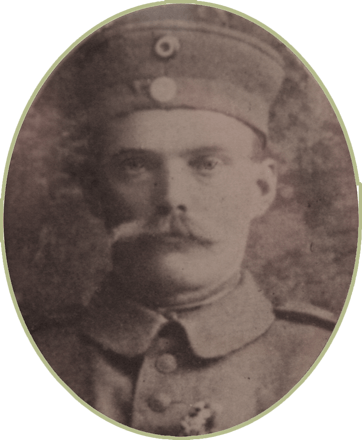
Back to the now widowed Cazilia Asam. What has she been getting up to whilst we’ve been talking about star wrestlers? Well, seven months after her first husband’s death, on 28th December 1885, Cazilia would sign a second marriage contract, this time with a Mr Andreas Gruber. Once again it was agreed that the property of Hinterkaifeck would be shared between husband and wife, making Andreas the latest co-owner once they were officially married on 14th April 1886. So, just who is Andreas Gruber?
Andreas was born on 9th November 1858 in Grainstetten. His Father, also Andreas, was a carpenter and ‘Gutler’ which means ‘small farmer’ (I’m presuming the farm is small, not the farmer) and his Mother was Martina Gruber. There does not seem to be much, if any, information out there about Andreas’s early life but it seems safe (ish) to conclude that there wasn’t much to go around and the marriage to Cazilia could be presumed to be more based on business savvy than love. However, I could be doing the Grubers a disservice in that assumption and I send them a personal apology if so. Please don’t haunt me.
Soon after moving to Hinterkaifeck Andreas developed quite the reputation for being miserly and quick-tempered. He was not a popular figure locally and there were often nasty rumours circulating about the treatment of his wife and children. Along with his two stepchildren, he and Cazilia would have two children together: Viktoria, born on 6th February 1887 and Sophie, born on 15th May 1889. Again, poor Cazilia would lose another daughter when little Sophie passed away three months before her 2nd birthday. Unbelievably yet more heartache struck when on 1st September 1892 a baby girl was born to Andreas and Cazilia but did not survive the day.
Now, let us jump to 1903. From our backstory above we can presume that currently living at Hinterkaifeck are Andreas and Cazilia Gruber, Martin Asam, Viktoria Gruber and probably a maid. And just what happened in 1903 you ask? Well, here we need to rely on a statement made by a man who would later be viewed as a suspect, who changed his story multiple times and had a, shall we say complicated, relationship with the family. However, I feel it’s important to include. The name of this man was Lorenz Schiebebauer and he was a neighbour of the Hinterkaifeck Farmstead, he had inherited a property from his parents and managed to scrape a living from working as a local guide and farmer. At this time he is married to his first wife, Viktoria, and they currently have two children; Magdalena and Viktoria (they will go on to have another daughter, Maria and then three boys; Johann, Lorenz and Josef)
In a statement given to police on 30th March 1931, nine years after the murders, Lorenz mentions that when Viktoria Gruber was sixteen years old she confided in his (Lorenz’s) wife that her Father, Andreas, was sexually abusing her. Below is a copy of that part of his statement (I will link all sources at the end);
‘It was also common knowledge that old Gruber had sexual intercourse with his daughter was standing. The old Gruberin didn’t tell, but her daughter, Viktoria Gabriel. She was around 16 years old at the time. She told my first wife that she could no longer hold out in front of her father because he always wanted to have sex.’
There is much speculation as to why the Schiebebauers did not take this information to the authorities. Some supposed that the couple actually feared Andreas themselves because of his money and influence, and also because of that nasty temper. Others said they merely wished to avoid scandal or even that Lorenz was just a big fibber and it never happened at all. Kinder mouths suggested that perhaps they didn’t want to endanger Viktoria Gruber by revealing her secret so offered her sanctuary at their home whenever she needed it. Sadly, there would be no one left to collaborate Lorenz’s story, his wife Viktoria passed away on 14th July 1918 and those who were living at Hinterkaifeck in 1903 did not survive to tell their tale. However, this would not be the last time Andreas’s name would be linked to abuse and incest, unfortunately we will soon venture upon it again.
For now, happier times, perhaps. Another marriage. This time between Viktoria Gruber and a man named Karl Gabriel. On 11th March 1914 two documents are signed, one a marriage contract between the aforementioned people and the other a transfer of property agreement. Andreas and Cazilia sign over Hinterkaifeck to their daughter Viktoria and Karl becomes co-owner of the farmstead after the marriage ceremony. The young couple marry in church on 3rd April 1914, with a bright future ahead of them… well, maybe; if Andreas wasn’t still living there too. Oh, and you know, the war. Many sources, including Lorenz Schiebebauer’s various statements, mention Karl leaving Hinterkaifeck following a huge argument with Andreas very soon after the marriage and returning home. Though it seems his parents weren’t very impressed by this and sent him straight back. According to Lorenz the newest owner of the farm wasn’t happy that Andreas would not relinquish ‘the book’ or to put it another way the running of and the profits of, Hinterkaifeck. Karl would also complain of the greed of the Gruber family stating, ‘you wouldn’t even get something to eat at lunchtime’.
Unfortunately, we shall never know who would have won out of Andreas and Karl in this battle of wills as on 14th August 1914 the latter would join the 13th Reserve Infantry Regiment and soon find himself in France, on the frontline. Sadly, just four months later on 12th December 1914 Karl Gabriel would be killed during a shell attack in Arras, France. Viktoria, now a widow, would give birth to their daughter Cazilia on 9th January 1915. Bizarrely Karl will be viewed as a suspect later on.
Sidenote: Some speculate that Viktoria was already pregnant when she married Karl, and that the actual Father of little Cazilia was Andreas Gruber. This has never been confirmed.
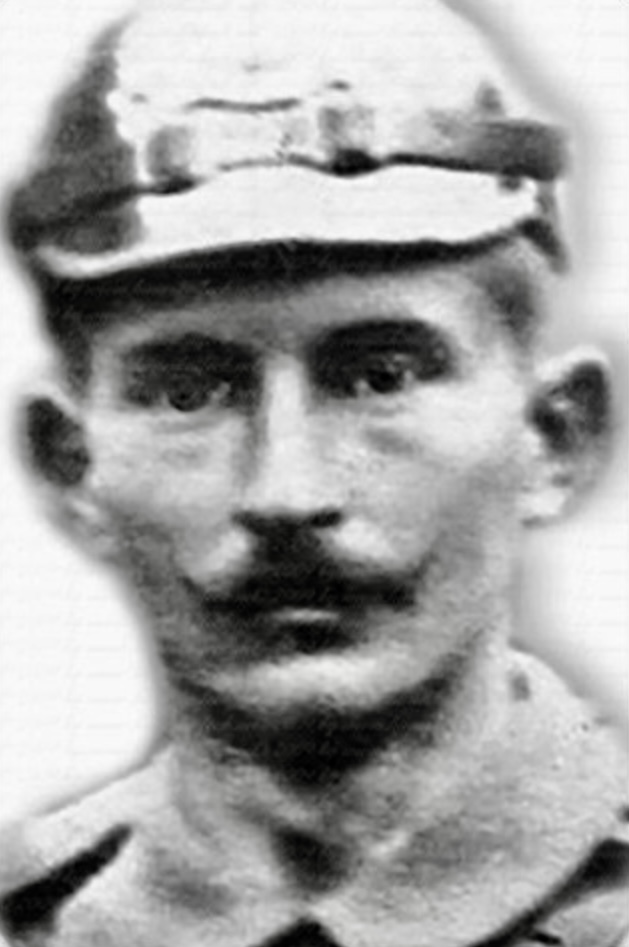
According to a statement made by Lorenz Schiebebauer it was not long after Karl’s death that Viktoria suggested they have sexual intercourse, he refused as he was married. Again, whether this can be taken at face value or not is something that we, you, must decide. An excerpt is below.
‘The Viktoria Gabriel was generally easy to have for sexual intercourse. Soon after her husband’s death, I once transported a cupboard with her. We drove together with my wagon and she offered herself to me directly. She said, “You could grab me now easily”. But I didn’t go into that at the time, because I was still married at the time.’
So, remember when I said we’d get back to Andreas and the alleged incest and sexual abuse? It was just a couple of paragraphs ago. Well, we’re here! On 28th May 1915 to be exact. A few days previous to this an anonymous source tips off the authorities to just what is going down at Hinterkaifeck. Some reports state that it is a maid working there at the time who has the misfortune to walk in on Andreas and Viktoria in the hay barn, others speculate that it was actually Lorenz however he doesn’t seem to have any reason to do so… this time anyway. After making enquiries and interviewing both Andreas and Viktoria the police bring charges of incest against both parties. The 28th May sees them both found guilty by the district court Neuburg ad Donau and Andreas is sentenced to one year in prison whilst Viktoria will serve one month. I was a little surprised to discover that Viktoria also was charged and sent to prison however Germanic Law at that time, and I believe this still stands currently, states that any adult participating in the crime of incest can be sentenced up to three years in prison. I would like to think that perhaps the judge recognised Viktoria had been coerced into the ‘relationship’ and also took into account the history of rumours circulating around her Father when passing sentence. She also would have had to leave her young daughter which could have played a part in her lesser time served. Following what I can assume was probably a joyous respite for the Hinterkaifeck residents, Andreas then returns after serving his jail time and life gets back to whatever resembles normal for the Gruber family.
Two years go by seemingly without scandal. Then on 14th July 1918 Viktoria Schiebebauer sadly passes away. A couple of weeks later, Lorenz is working in the hay barn when he is approached by Viktoria Gabriel nee Gruber (these hay barns are seeing a lot of action). In a later statement, oh yes, he gave many over the years following the murders, he says that Viktoria suggested he marry her now and then proceeded to ‘impose’ herself upon him. According to the man he felt he had no choice but to have sexual intercourse with her, do with that what you will.
Sidenote: does it feel like maybe all of Viktoria’s reported actions and words sound like somebody looking for help, a way out? A personal opinion, but one I could not find expressed anywhere else. I think that perhaps Viktoria’s abuse and the tragic life she led has been overshadowed by the manner of her and her family’s deaths.
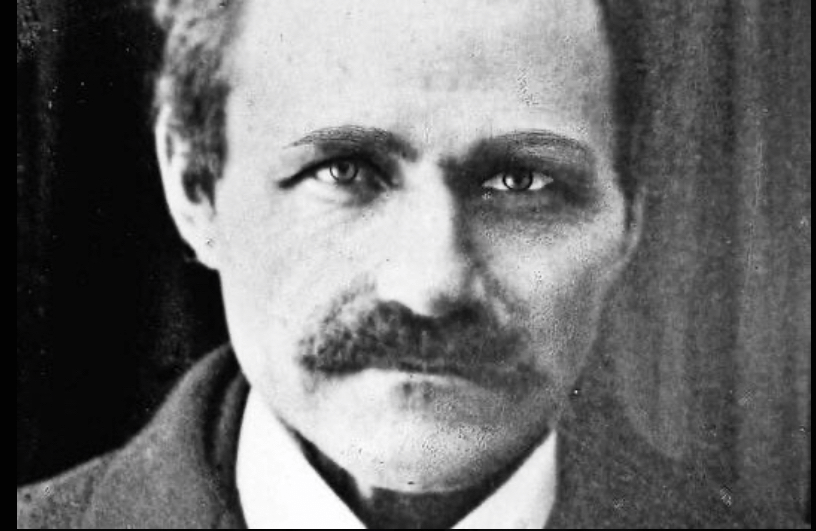
During future interrogations Lorenz admitted to having sexual intercourse with Viktoria around five times, the translation is a little confusing but it seems that by the time Viktoria convinced Lorenz to actually speak to her Father about them getting married she was already pregnant but had not told him (Lorenz) about it. Now Lorenz seemed happy enough to marry Viktoria, in his words he ‘would need a wife again for my property’ because work on the farm was tough without another person and he also had children to raise which he wasn’t so much up for. Ah, the romance. At first Andreas seemed amiable when it came to the pair marrying but soon got a little tetchy when Lorenz told him that it would no longer be acceptable for him to have intercourse with his daughter once they were married. I think we’re all with Lorenz on this one.
Following this rather disturbing conversation Lorenz then meets with Viktoria, again there’s slight translation difficulties, but it appears that this is when she tells him of her pregnancy and informs him that he is the Father. Now Lorenz, he’s not so enthusiastic about this. He points out to Viktoria that she’s also ‘meeting in the hay barn’ with her own Father and the child could well be his. Viktoria then suggests that calling Lorenz the Father is the best thing that she could do and mentions that she is fearful of her well-being should Andreas think that the child is his. She then breaks the news that Andreas is no longer happy with the proposed marriage but he (Lorenz) will still need to accept the child as his own.
Are you still with me? Yeah, it’s a lot, just bear with me, or them. Shall we take a moment to digest?
Right, you ready? Now, soon after this chat with Viktoria, Lorenz was walking back to his house when he spots Andreas working in the field, so he goes to speak with him. He’s thinking, let’s sort this mess out. Lorenz questions Andreas on whether he really needs to step in as the Father and Andreas, being the God-fearing man that he is, starts to preach at Lorenz and he (Lorenz) is like ‘just hang on a minute, this baby could be your’s too right? Wheres the Christianity in that?’ Again, fair point from the man with slightly less questionable morale’s than the incest guy. It is safe to say the conversation doesn’t end well, with Lorenz threatening to report Andreas for incest and Andreas chasing him off his land with a scythe.
After this altercation Lorenz heads to the Hinterkaifeck farmhouse to speak with Viktoria and her Mother, Cazilia, hoping that perhaps at least the women of the family will be a little easier to reason with. Andreas is still safely working in the field, so he’s got a bit of time to try to sort this out. Unfortunately for Lorenz, despite the lack of scythe, this conversation could be said to have gone even worse than the previous. Both Viktoria and Cazilia insisted that he was the Father and also that he would need to pay maintenance to the family for the child. According to Lorenz, upon first informing him of her pregnancy Viktoria had stated he would not have to pay for anything, but now it seemed the tune had very much changed.
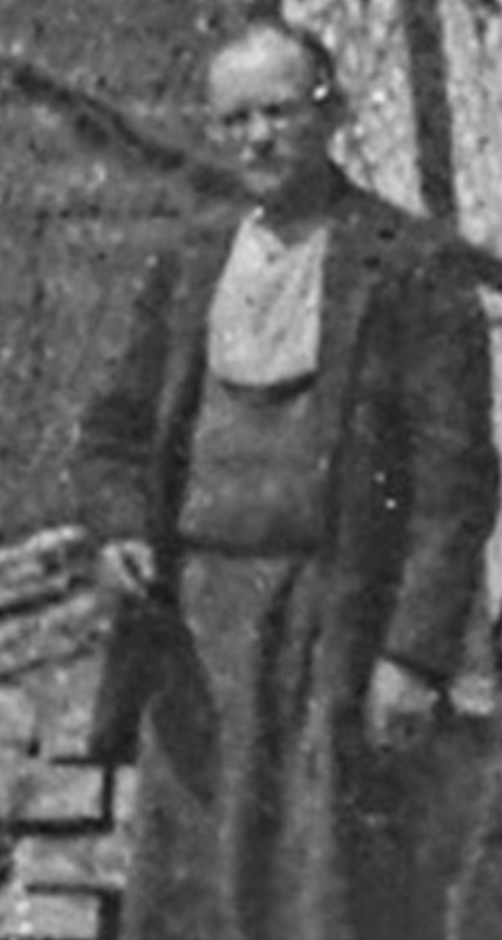
So, what does any man do when backed into a corner about paying for a child he isn’t sure is his? Well, if you are Lorenz and you have knowledge that there could also be another potential Father, and that Father could also well be the Grandfather, you report him for incest to the authorities. Here the timeline gets a little skewed as records show that he did just this on 10th September 1919, however in a later statement Lorenz says that the baby is born after ‘the procedure was initiated’. Josef Gruber, Viktoria’s baby, was born on 7th September 1919 so whether Lorenz was remembering incorrectly or the dates on the records are wrong we unfortunately cannot be clear. Whichever way it played out it is safe to assume, from various statements, that it appears what spurred Lorenz on to making the accusation was not only the constant demands for money by the Grubers but also that Andreas was slandering his name in the neighbouring town. Lorenz’s revenge tactics certainly seemed to work as Andreas was taken into custody on 13th September 1919 and held whilst the investigation took place. However, it would be a short one. Just 12 days later, on 25th September 1919, Lorenz withdrew his report. Upon his release on 27th September 1919, Andreas Gruber returned home and took over guardianship of baby Josef Gruber.
What brought about this change of heart from the vengeful ex? Below is an excerpt from a statement taken from Lorenz on 30th March 1930, 8 years after the tragic murders at Hinterkaifeck which may well lean us towards his memory not being accurate rather than the records.
‘But then, because he was so rude and also demanded money, I explained that I wouldn’t do the father and I reported him for incest as well. The procedure was initiated and meanwhile the child was born. On the third day after the birth, Viktoria Gabriel came to me and offered me that she would pay all the money that constitutes paternity if I take over the paternity. Since she also insisted that we could still marry, I finally agreed. She then brought me 2,000 marks, so that I could then pay the severance payment to the guardianship.’
According to Lorenz, Viktoria approached him 3 days after Josef was born, visibly upset, to beg him to drop the charges against her Father. In return she promised him that she would bring the money her family were demanding of him (2000 marks) so that he would be able to make the maintenance payment and then be free of all financial obligation. However, there would also be another condition that came along with the payment. Lorenz would have to accept paternity, thereby being named on the birth certificate as the Father. It seems that Viktoria did try to sweeten the deal by stating that if he accepted her terms they could also be married. As we now know Lorenz did indeed accept this from Viktoria and dropped the charges against Andreas.
Also, in the statement the above quote is taken from Lorenz admits that he received 3000 marks in Bavarian mortgage bonds from Viktoria ‘when expenses come’ but that he returned them some months later. When questioned, during the same interrogation, about people recalling Viktoria complaining about him extorting money Lorenz states;
‘No one can say that, these witnesses should stand up. I declare again that I have never asked for a penny.’
Just what occurred between the Gruber household and Lorenz from the time of Andreas’s release and 31st March 1922 we cannot be quite sure, but some agreement seemed to be settled upon, at least to those on the outside. With the severance payment made and Lorenz’s name on the birth certificate both parties appeared to move on and live some semblance of a normal life. However, it is noted by some who were interviewed during the investigation that Lorenz did not seem to have much to do with little Josef Gruber and sometimes would deny the parentage, stating that the little boy was more than likely the result of incest.
Lorenz and Viktoria never married, surprising I know. However, Lorenz did remarry on 5th July 1921 to Anna Dick. Anna already had a son, Josef Dick, who was born 31st March 1913. There does not seem to be a record of Josef’s biological Father but he came to live with Lorenz, along with Anna, after the marriage. Anna and Lorenz would go on to have 5 children together, sadly some did not make it past infancy. So, why do we need to know about them, especially when the backstory to this crime is already jam packed with people and their very complicated relationships to the victims? Well, because Josef Dick was sent by his adopted Father to check on the Gruber household on the same day that the murders were discovered and was also present when the victims were found. He was just nine years old when the Hinterkaifeck murders took place.
We fast forward now another year, and eighteen months before the murders took place; it is November 1920 and a woman named Krescence Rieger arrives at Hinterkaifeck to take up the position of maid. She is employed by Viktoria through an agent called Julia Roggesmuller. Krescence would later be of some interest to the investigators, not because she was a suspect but due to just what she had to say when it came to life at Hinterkaifeck and her reasons for leaving. Her story seems to have been a little muddled, when I first started researching there were theories that she believed the farm was haunted, there were strange noises and happenings, that she didn’t feel safe there and even that Andreas Gruber had gotten her pregnant. However, the theory that she didn’t feel safe seems to be the most accurate but perhaps not for the reasons that were assumed.
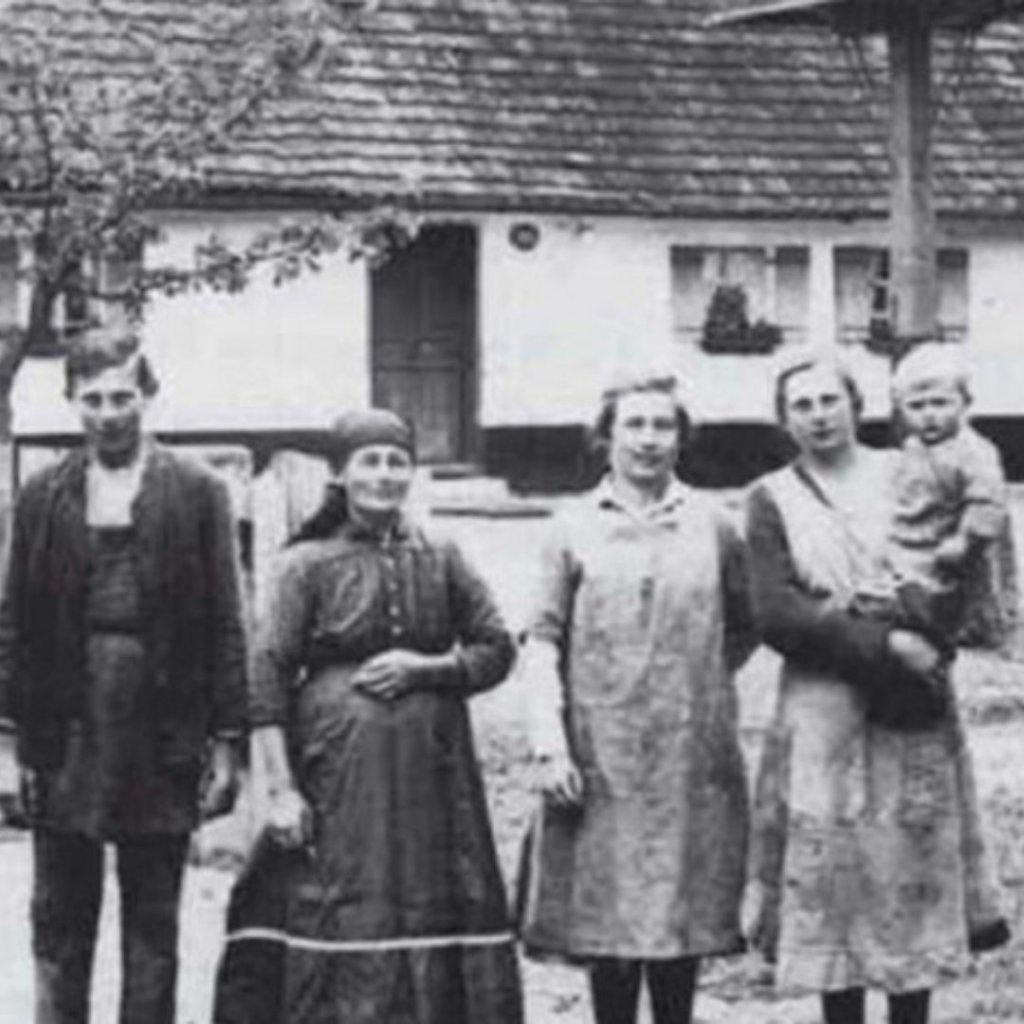
So, who is Krescence Rieger? She was born 23rd April 1897 in Oberhausen, sadly at nine years old she lost her Mother and, along with her sister Anna, was sent to foster parents in Hortzhausen; Quirin and Maria Kirmaier. Before the start of World War I she had met and fallen in love with a man named Jakob Weber, he appears to have held a good position on the estate of Freiherr von Pfetten, also referred to as Baron v. Purlins. When war broke out Jakob had voluntarily signed up and he went on to fight in the battles of Arras (where Karl Gabriel sadly lost his life) and Artois before his infantry (10th Reserve Infantry Regiment, 7th Company) were sent to the, now infamous, Battle of the Somme. Here he sustained serious injury to his left knee by shrapnel and was treated in the St Quentin War Hospital (France) before being transported back to Germany. It appears he was treated at several reserve hospitals before being discharged on 30th September 1917.
Once discharged Jakob and Krescence continued their relationship, he found work in a lead factory and she would take various positions as a maid through her agent. By the time Krescence arrived at Hinterkaifeck she was actually around four to five months pregnant with Jakob’s child. I am presuming that Viktoria knew of this before the employment began however, I cannot find any details of their agreement or copy of a contract. On 27th March 1921 she would give birth to her daughter, Viktoria Rieger, at Hinterkaifeck. Sadly, Jakob and Krescence would never get to raise their daughter together nor have chance to be a family as in May 1921 Jakob would go in for surgery on his knee and not survive the operation. Another blow was dealt to the young woman when, in the summer of the same year, her daughter Viktoria was taken away and placed with a foster family, ironically the very same people who had given shelter to Krescence and her sister all those years ago. This decision was made by a Dr Ignaz Joseph Gessner, whether it was a fair one or not we shall never know. In a later statement Krescence merely states ‘due to poor upbringing’ was why Viktoria was removed from the farm.
Throughout these tumultuous months Krescence would also be dealing with some unwanted attention from a man named Anton Bichler; here we come upon the reason for her eventual exit from Hinterkaifeck and, despite the mocking of her fear from Viktoria Gabriel, it perhaps was a very wise decision from the maid. Whether Anton really did commit the atrocious murders on March 31st or not, it certainly saved her from the terrible fate that met the other occupants of the farmstead that night.
She would first encounter Mr Bichler only a few days into her employment when, according to her translated statement, he proposed to her. Now, perhaps going from German to English has caused some information to be skewed but from what she goes on to say it seems that this man did have intentions towards her from the moment they met and also did not seem like he was going to give up any time soon. Being an incredibly sensible woman Krescence informed her employers of his first proposal and was immediately advised against becoming involved with this man. Both the Grubers and Viktoria stated that Anton was a thief, and they had their suspicions that he had stolen some of their chickens. Despite these accusations Bichler was still allowed to board at the farm, arriving every 2 to 3 weeks, and assist with any work that needed to be done on the property. And each time he was there he would continue to proposition Krescence, knocking at her bedroom window at night so he could speak with her, even after she had given birth to her daughter.
Once he finally got the message that it just wasn’t going to happen, Anton Bichler turned very nasty. Krescence talks about hearing from some residents of a neighbouring town that he had stated he wanted to ‘let her through’ i.e. kill her. He also wanted to let the Grubers and Viktoria Gabriel through too because it was apparently their fault that he did not get the ‘Zenzi’ (a short form of the name Krescence or Kreszenz). Anton was even bold enough to tell someone that ‘the Kaifecker should all be killed’. A statement that I am sure he went on to regret if only because it made him a really, really good suspect, and an incredibly stupid murderer if it were indeed him. However, Anton was not alone in making public just how dead he thought the Grubers and their family should be, his brother Karl and another worker named George Siegl also voiced similar beliefs. Unsurprisingly this is what finally drove Krescence from the farm and, quite frankly, I don’t blame her. She left at the end of August 1921, seven months before the residents of Hinterkaifeck would tragically, and brutally, have their lives taken.
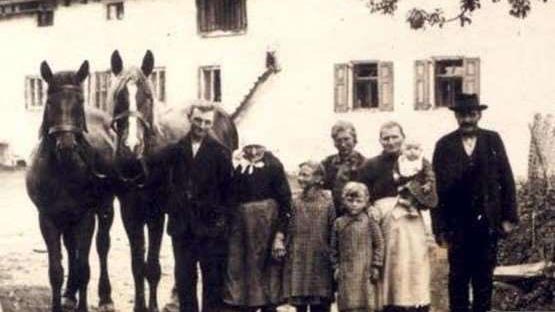
Before we close ‘Part One’, there are two more notable bits of information in her statement; firstly, she states that the farm dog, who had quite the reputation with visitors and once bit little Cazilia on the face, had no problem with Anton Bichler and would not even bark when he was skulking around Krescence’s window at night. Secondly, she believes that his brother Karl once tried to gain access to her room, and the house, by pretending that he was a local farmer. Luckily Krescence knew of the man he was claiming to be and refused him entry when she realised it wasn’t him. It is notable that during their conversation Karl would reveal that he knew quite a bit about the farmhouse’s layout. We’ll revisit the Bichler brothers in our ‘Suspect List’.
Sidenote: In a statement taken on 9th July 1952 Krescence mentions a man named Josef Thaler, strangely there is no mention of Anton Bichler. Whether she was just called in to answer specific questions about the Thaler brothers I am not sure. It also seems that these many years later she has attributed the Karl Bichler story (where he pretended to be another farmer) to Josef Thaler, stating it was him trying to gain access to the house. The ex-maid also now says that the Thalers played a part in her decision to leave the farm, stating that Hinterkaifeck was ‘getting so scary’. The Thalers will be a part of our suspect list also.
‘Part Two – Hinterkaifeck; The Timeline’ will be just as the title suggests. We’ll walk through the, oftentimes, strange events that led up to and proceeded the murders, right up to the arrival of the authorities on 4th April 1922.
Sources:
- https://www.hinterkaifeck.net/wiki/index.php?title=Hauptseite
- https://en.wikipedia.org/wiki/Hinterkaifeck_murders
- https://www.bod.de/booksample?json=http%3A%2F%2Fwww.bod.de%2Fgetjson.php%3Fobjk_id%3D1762339%26hash%3D79e21d4941a60199728258c903f8d9f4
- https://alphahistory.com/weimarrepublic/1923-hyperinflation/

Mystery of the Mary Celeste
In October 1872, Captain Benjamin Briggs was busy preparing for his maiden voyage on board the newly refitted…
Keep reading
Christine Ida Collins
When her son, Walter, failed to return home on March 10th, 1928, after taking a trip to the…
Keep reading
The Curse of King Tut’s Tomb
Ta-sekhet-ma’at, translating to ‘The Great Field’, is known to us today as the Valley of the Kings. Here,…
Keep readingSomething went wrong. Please refresh the page and/or try again.
 Law & Lore Archives
Leave a comment