

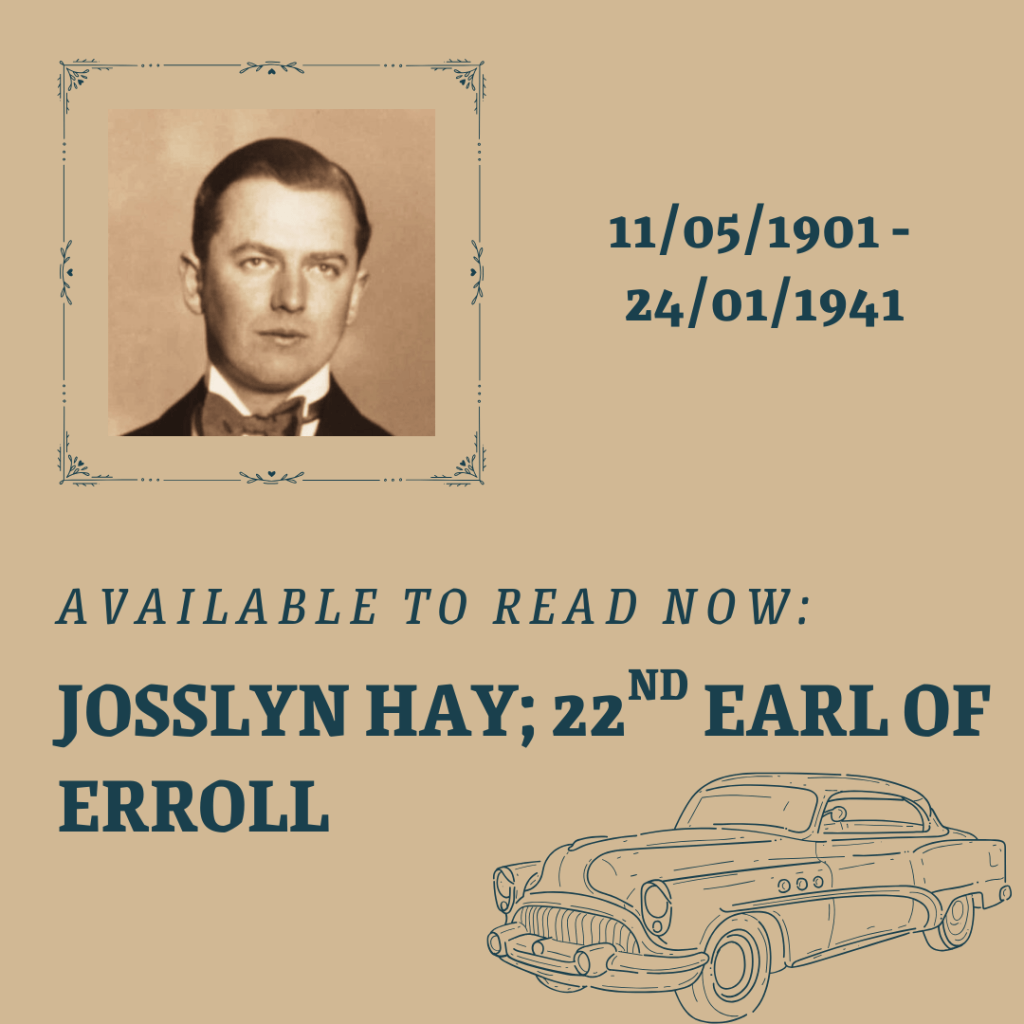
Early in the hours of January 24th, 1941, Josslyn Victor Hay, 22nd Earl of Erroll was found shot to death in his car at a remote crossroads on the Nairobi-Ngong road.
His murder would shine a light on the darker side of the notorious Happy Valley set, bringing about the downfall of a colony who was already struggling after the recession of 1929 and the onslaught of World War II.
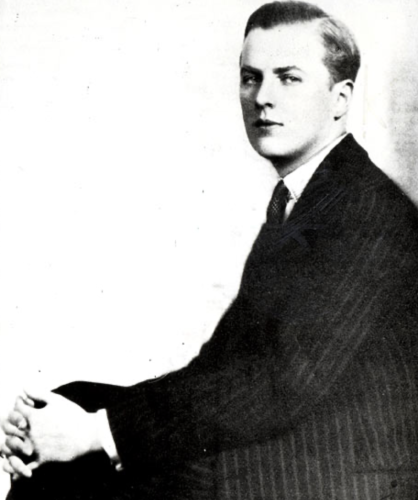
The title ‘Earl of Erroll’ was created for Sir William Hay by King James II of Scotland in 1452, with the Hay clan being traced back as far as 1160, and the family still hold the title today along with the now purely ceremonial role of Lord High Constable of Scotland, which was rewarded to them in the 13th century by Robert Bruce, following the Wars of Scottish Independence.
For centuries the Hays were rich and powerful, their influence within both Scottish and English royal families, politics and pivotal historic events is prominent in hundreds, if not thousands, of documents. But by the time Josslyn was born as heir to the earldom, times had very much changed, and whilst they still had power and connections the Hays were cash poor. This meant that they had to, shock horror, get a job.
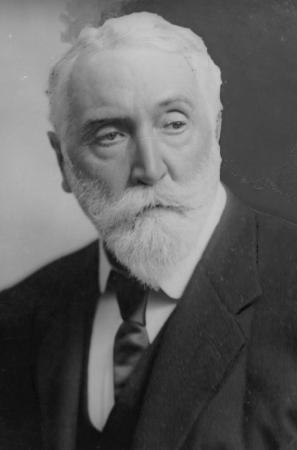
Josslyn’s father, Victor Alexander Serald Hay, who held the earldom for only seven months before his death in 1928, had entered the diplomatic service as a young man. In 1920 he served in Berlin as the Chargé d’Affaires, aiding with the resumption of diplomatic relations with Germany following World War I. At this time Josslyn was nineteen years old, and had already earned himself a reputation as a ‘wild child’. Despite the lack of money, his family name and connections, and I suspect a strong sense of entitlement, had allowed him to indulge in alcohol, drugs and women from quite a young age. His education at the prominent Eton College had been cut short after just two years due to his abrupt expulsion at the age of fifteen, rumoured to be because he was caught having sex with a housemaid.
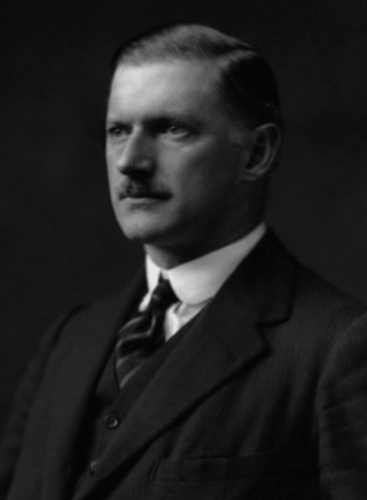
But, as with other young male peers at the time, even a scandal such as that, and with an attitude such as his, opportunity did not pass him by. He joined his father in Berlin, being appointed honorary attaché, and served under Victor until the arrival of Lord D’Abernon a short time later. Josslyn continued to work for D’Abernon after his father moved on to the role of Counsellor and it seemed that the wayward earl-in-waiting had finally settled to a career and was reported to be doing well in his position, he even passed the Foreign Office examinations. Along with his newly acquired qualifications came the expectation that he would follow in his respected father’s footsteps but a chance meeting would set the young peer on a very different, and ultimately destructive, path.
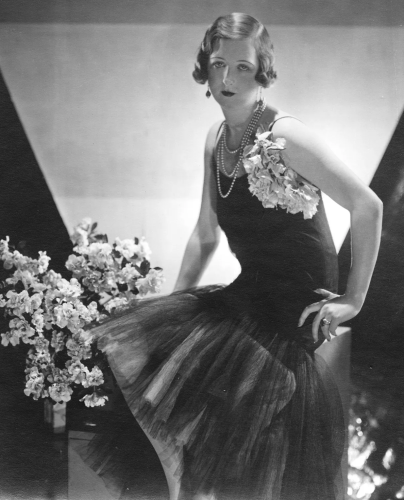
Josslyn returned to England in 1922, with a view to continuing his work with the Foreign Office, however upon re-entering London society he met, and quickly became infatuated with, Lady Myra Idina Sackville-West. At this time Idina had been married to her second husband, Capt. Charles Gordon, for three years but it seemed she was just as enamoured of Josslyn as he was of her. We can never be sure if they truly loved each other but their affair was certainly passionate and it seems that in each other they found what they had been looking for.
When they met, Josslyn was twenty-two and Idina was thirty. He was young and handsome, loved to drink and dance as much as Idina did, and one day he would be an earl. Idina was a beautiful, older and more experienced woman with, most importantly, pot loads of cash. Soon after they met she divorced the Captain and married Josslyn in September of 1923.
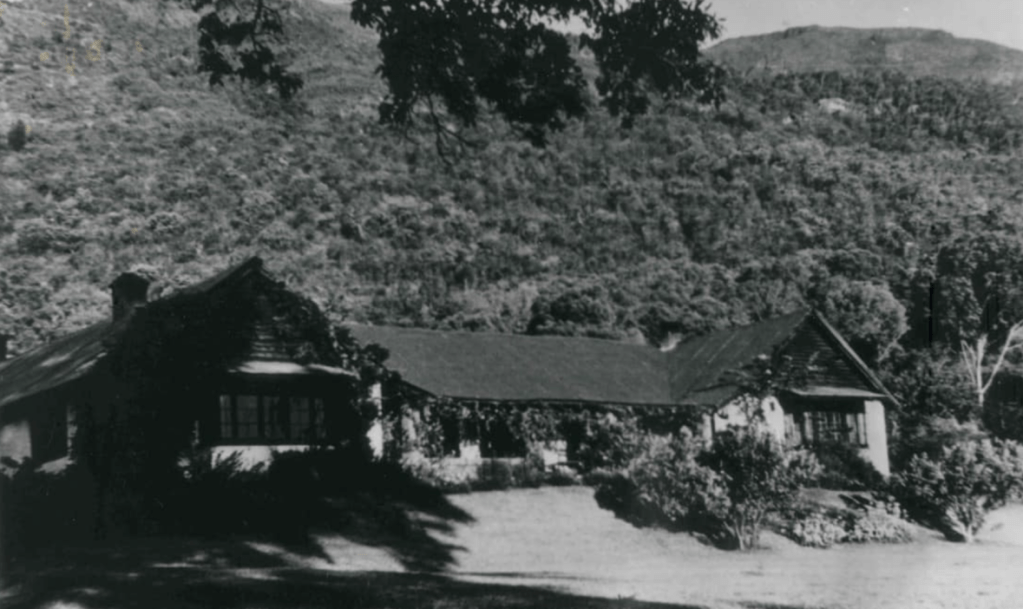
This caused huge scandal within the upper echalons of London society and the newly married couple found themselves, ever so politely, barred from the regular haunts of their peers. Looking for a fresh start, Lady Idina suggested Kenya, she had been awarded a 2000 acre farm on the slopes of the Aberdare Range in her first divorce, which was perfectly situated for the couple to intergrate themselves into the now well-established Happy Valley set.
This already notorious group of European ‘settlers’ had garnenered a reputation for their relentless pursuit of amusement, earning the nickname ‘porch farmers’ as they were more interested in throwing, and attending, wild parties than in working the land they had ‘purchased’. Many of the Happy Valley set had also, just like Idina and Josslyn, been ostracised from British society due to scandal, whether that be of the personal or professional kind.

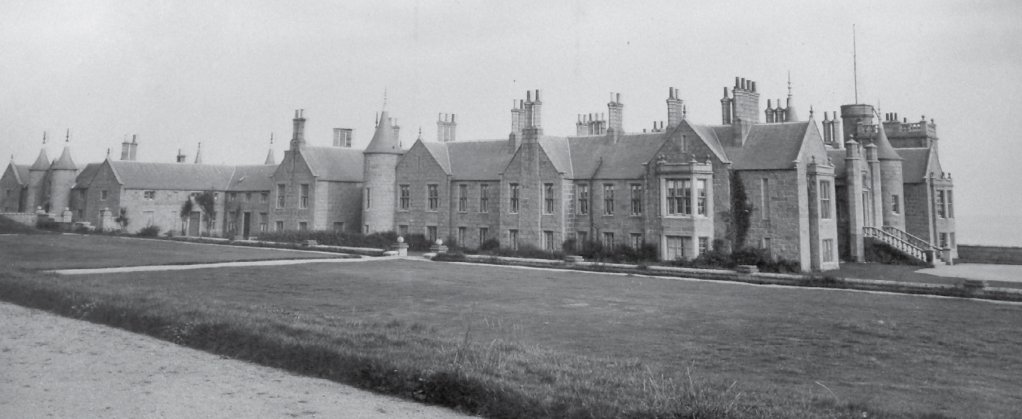
Financed entirely by Idina’s money they moved to Kenya and into what appeared to be a modest bungalow built of cedar and mud, though once inside you would find a green marbled bathroom and mirrored ceilings. Their home would be named ‘Slains’, in reference to the Hay family castle which had been sold by Josslyn’s Grandfather in 1916, in order to pay off ancestral debts.
Idina and Josslyn soon became part of the Happy Valley set, hosting and attending parties fuelled by drink, drugs, adultery and orgies. Unsurprisingly, over the following few years this lifestyle took a toll on their relationship, both personally and financially. Josslyn’s involvement with the ‘set’ far exceeded Idina’s and she grew tired of his treatment of her and the endless affairs. He also accumulated a huge amount of debt by keeping up with his peers and Idina finally divorced him in 1929, stating that he had been cheating on her both romantically and financially.
Idina returned to England, along with their daughter Diana, and remarried soon after to Donald Haldeman. This marriage would also end in divorce eight years later. Idina would go on to marry for a fifth, and last, time in 1939, to F’Lt William Soltau of the Royal Air Force. They divorced in 1946, nine years before Lady Idina would pass away.
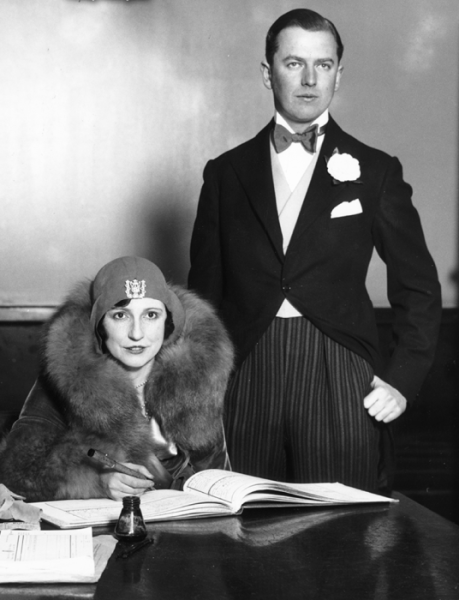
So, what was now to become of Josslyn, by now officialy the 22nd Earl of Errol following his Father’s death in 1928. Abandoned by his wealthy wife and unable to tear himself from the extravagant and expensive lifestyle that had become so addictive, he needed another bank roller quickly. Well, fear not, as Josslyn already had his next wife lined up, Edith Maude ‘Molly’ Ramsay-Hill, whom had also been named in his divorce.
Molly had moved to Cairo in 1922 where she had met, and later married, Major Cyril Seys Ramsay-Hill. When the couple relocated to Kenya circa 1926 she soon made the aqquaintance of, and shortly began an affair with, Josslyn Hay. Once the Earl had divorced, the couple made plans to flee Kenya, allowing Molly to divorce her husband from a safe distance and for them to then marry.
Unfortunately for Josslyn this would lead to perhaps one of the most infamous stories linked to his lifetime. It is said that, upon learning of their plans, Molly’s husband, Cyril, pursued the runaway couple and finally caught up to them at the Nairobi train station, whereupon he chased down and horsewhipped the 22nd Earl of Errol. Whilst this very public humiliation may have made the Major feel better it did nothing to save his marriage, nor did it prevent Molly and Josslyn from reaching England and eventually marrying in February of 1930.
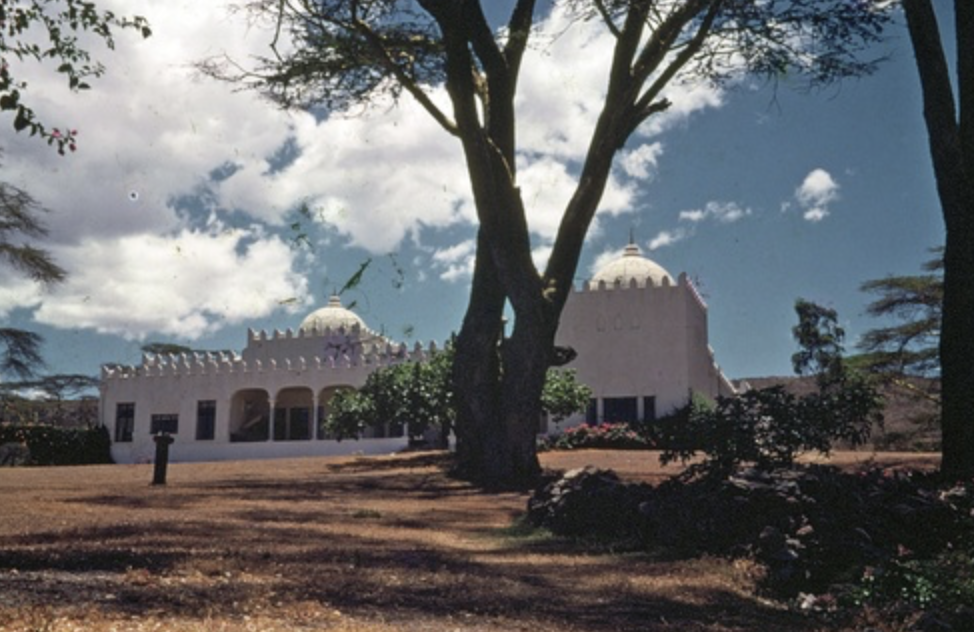
Upon returning to Kenya the new couple moved into Oserian, a lavish Morrocan-style house built on the shore of Lake Naivasha, that Molly had received in her divorce settlement. Sadly for her, the man and the marriage she had fought so hard, and made great sacrifice, for was not what she had dreamed. Pulled even deeper into the hedonistic lifestyle of the Happy Valley set and forced to watch her new husband indulge in multiple affairs, Molly’s mental state quickly began to deteriorate. She became reliant on alcohol, morphine and heroin, lashing out at Josslyn as the brutal reality of him marrying her for the money set in.
It is said that by early 1939, Josslyn had tired of his wife, she barely left the house and was most often to be found slumped in a chair, shouting abuse at the servants for being refused a drink or drugs. Many believe that he sealed her fate when he issued an order to the servants to ‘allow the lady of the house whatever she wishes’. Just a month before her 46th birthday, in October 1939, Molly passed away from side effects due to excessive consumption of alcohol and herion.
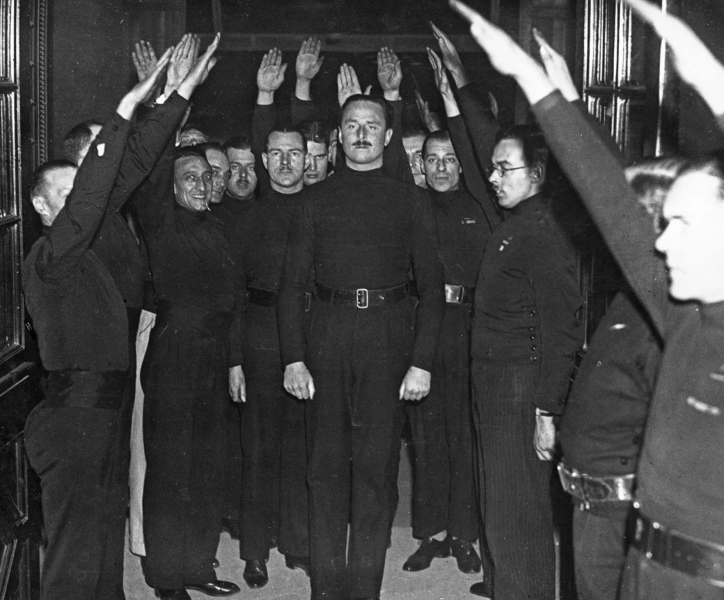
A month prior to Molly’s death World War II had been officially declared and Josslyn, given his title, had been appointed Captain in the Kenya Regiment. The following year, 1940, he would be offered, and accept, the position of Military Secretary for East Africa. This could be seen as a controversial move despite his title and family history, and that would be due to his past affiliation with BUF, aka The Britsih Union of Fascists. Although today we associate fascism and extreme right-wing beliefs with Nazis and Nazi Germany, there were actually many influential people and political parties in other European countries spouting similar vitriol. Sir Oswald Mosley’s BUF, for instance, was not only modelled on Itlaian fascism but was also initlially partly funded by Mussolini himself.
Lord Errol joined BUF during a visit to England in 1934 and upon returning to Kenya a year later, he joined and became president of the ‘Convention of Associations’. It is very difficutlt to find exact events, intentions or policies regarding the Convention but it seems to be linked to violent protests, rallies and actions against those who did not ally or ‘fit in’ with the standards and/or beliefs of BUF. For example, an incident is mentioned in ‘Royal Murder Mysteries; The Earl of Errol: Death in the Valley’, where Josslyn allegedly sets fire to a piano as a Jew had maybe played its keys.
Whilst the Earl’s political affiliations have no direct bearing on his murder, as has been proven in later investigations, I think it is an important part of history to include. Josslyn’s choices and actions provide insight into not only his character but also the character, and opinions, of those he associated with. The Happy Valley’ers could be seen as like-minded people gathering together after being outcast from a stuck-up British high society, but they were also racist, xenophobic and anti-semitic, they profited off the exploitation and abuse of other human beings, they lived off stolen land and were happy to do so. They are infamous for their, often glamoruised and romaticised, hedonistic lifestyle but it is important to remember just who they were, and how those lifestyles were afforded.
So, with that lecture over let’s get back to Josslyn, 22nd Earl of Errol, Military Secretary for East Africa, adulterer, abuser, kind of a murderer and a racist, what a catch.
With conflict rapidly spreading across now more than a dozen countries, political and military leaders were seeing their workloads exponentially grow and Josslyn was no different. Despite his numerous flaws, most reports of his work, from his start in Berlin to the promotion in East Africa, actually site him as an effective administrator and politician. But as war waged on, he seemed to be not so busy as to miss the arrival in Kenya of Lady Diana Broughton.
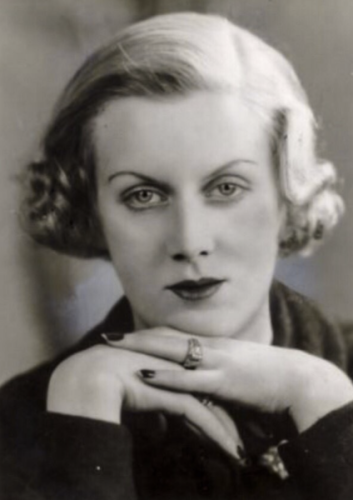
Formerly Diana Caldwell, she had first met Sir Jock Delves Broughton in 1935, when she was twenty two and he fifty two. At the time Sir Jock was still married to his first wife, Vera, and young Diana was busy debuting in society, attending society balls, hunts and races on the weekends whilst working as a fashion model during the week. She had also been employed as manager of the Blue Goose, a cocktail bar just off Berkely Square, known to young models and socilaites as ‘a good hunting ground for a rich husbands’. Although there seems to be no record of any type of affair, or barely an interaction, between Diana and Jock at this time, there are records that state this meeting would set in motion the tragedy that was to come years later.
It was in this same year that Jock’s wife Vera, who was a talented photographer and experienced explorer and big game hunter, would leave on a six month trip to the South Pacific. Unusual for the time, Vera left without the company of her husband, with many documents that are available today stating that she ‘deserted’ him. We do know that during the 1930’s Sir Jock was forced to sell a great portion of his estate to settle gambling debts, and we also know he was attending the Blue Goose, which hints to the likelihood of some form of adultery.
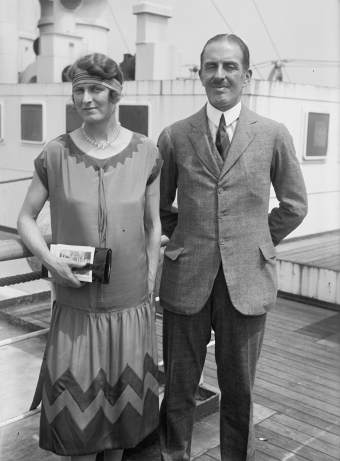
Whether the first Lady Broughton had tired of her husbands antics or not, we shall never know, but her decision to leave would go on to cement her place as ‘one of the more extraordinary pioneers of exploration and anthropology in the first half of the twentieth century’ (Historical Portraits Library). During her 1935 trip she travelled with Walter Guiness, first Baron Moyne, and her photographs were used to illustrate his books, most notably ‘Walkabout’. She would also collect live animals for London Zoo, artefacts for the British Museum and, up until the year 2000, held the record for the largest tuna ever caught in British waters.
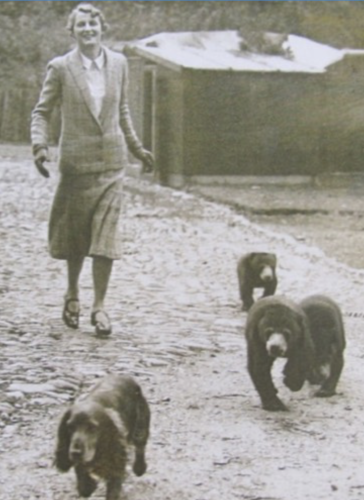
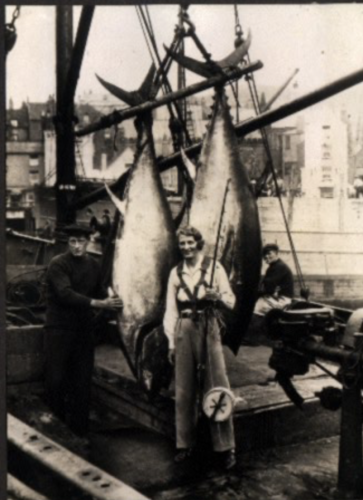
As for Diana, she continued to move amongst the titled and wealthy, traveling extensively and attending high society events. In 1936 she was summoned home by her father, Major Josiah Caldwell, who had arranged for her to marry John Sidney Taylor. However, just a few months later, the engagement had ended and the young socialite returned to her glamourous life abroad.
Despite her ties to the infamous murder of Josslyn there is a surprising lack of proven information about her early years (including photographs) but there are documents showing a brief marriage to man named Vernon Motion in 1937. It is believed that Diana found herself pregnant and married Vernon, after he gave the impression that he was far better off than he actually was. However, if rumours are to be believed, it seems that this deception went both ways, with Vernon thinking that Diana was an independently wealthy woman. The marriage lasted only two weeks and the pregnancy was terminated, most sources state that the child was not Vernon’s.
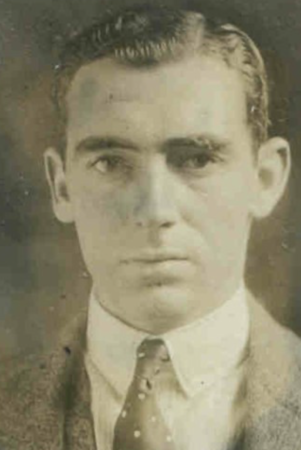
Whilst recovering at her good friend Betty Loftus’s home, Tingewick Hall, Diana would once again meet Sir Jock Delves Broughton. These ‘chance encounters’ were said to be orchestrated by Betty but it is highly speculated that it was done at the request of Diana herself. Over the following months their relationship blossomed, despite Jock still being married and Diana’s father, Major Josiah Caldwell, being displeased at the thirty year age gap.
On March 24th, 1938, the Major passed away, and around a year later the Broughtons would begin divorce proceedings. By now, they were practically living separate lives, with their last public appearance as a couple being in 1938 at their daughter’s, Rosamund, marriage to Lord Lovat. Most sources agree that Vera instigated the divorce, hoping to marry Walter Guiness, after the death of his wife Evelyn in July 1939. It is also often mentioned how hurt Jock was by this, however he was most definitely still cultivating a relationship with Diana Caldwell, and was also getting himself into further financial trouble, selling off another 15000 acres and suffering rumours of insurance fraud.
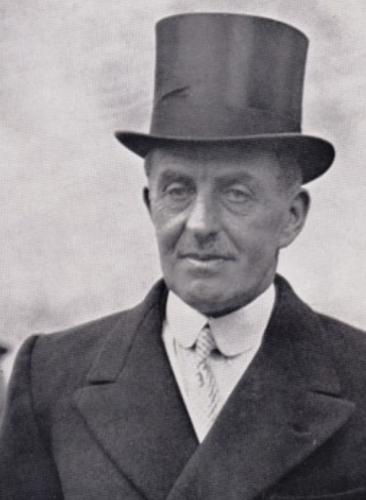
Following the dissolution of their marriage, Jock decided to cut his losses in England and purchased a property in Kenya. In the Autumn of 1940 he left home shores, along with Diana, and they would spend their three week voyage planning, and negotiating, marriage. With a thirty year age gap, and not being in the greatest physical health, Sir Jock knew that if he was to be able to marry the much younger, and sought after, Diana, he would need to present an attractive pre-nuptial contract. When the couple arrived in Durban, South Africa, on November 5th, 1940, they married immediately, with Diana having secured herself the freedom to leave if she found love with a younger man, and also a very healthy income of £5000 per year (approximately £360,000 in todays money) for seven years following a divorce. The newlyweds would then begin their ten day journey to Nairobi.
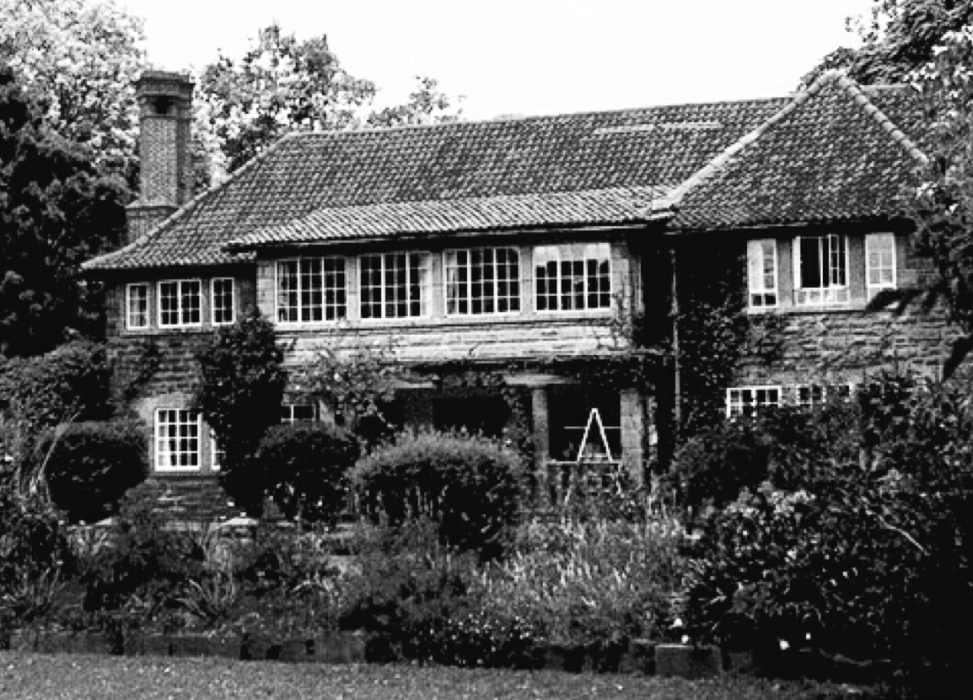
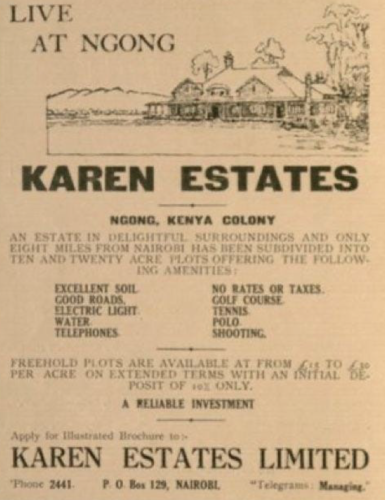
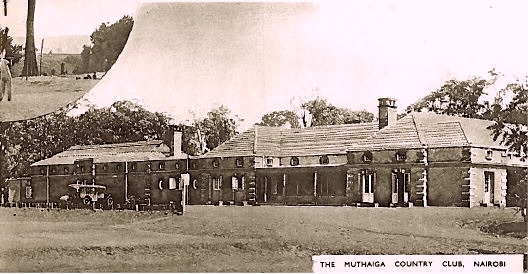
Upon arrival the couple quickly settled into their new home, which was located in the Nairobi suburb of Karen, and presented themselves at the infamous Muthaiga Country Club, whereupon Sir Jock introduced his new wife to Josslyn Hay. Later recalling their meeting Diana would say that the instant she met the Earl, ‘I was suddenly aware that I had instantly become the most important thing in his life’. She would also state that before they had even shared any physical contact Josslyn had sidled up to her and asked ‘Who’s going to tell Jock, you or me?’. The charismatic Earl quickly set about attempting to seduce Diana and, by most accounts, their affair began very soon after her arrival in the Happy Valley.
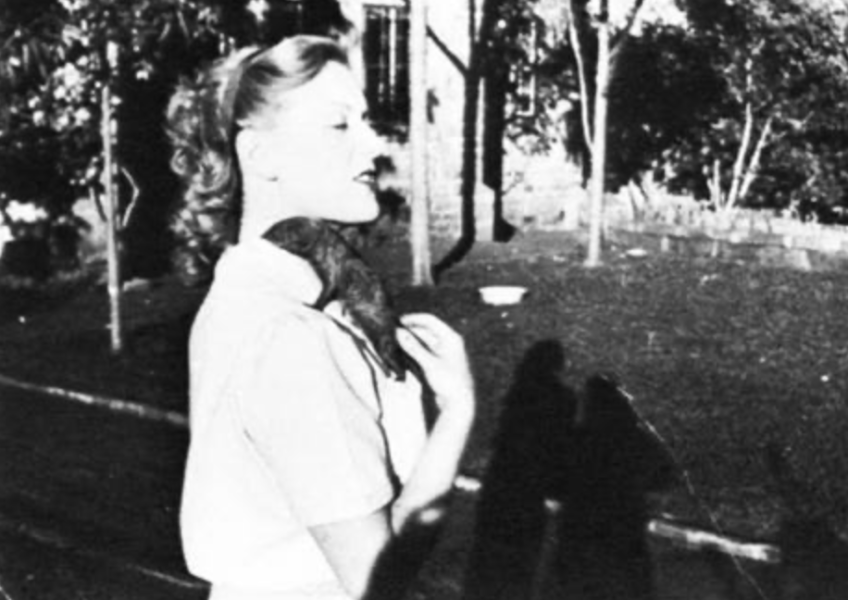
Affairs were very common place amongst the Happy Valley’ers and there was but one unspoken rule, you did not rub the other party’s face in it and you remained discreet whilst out in public. Sadly, Josslyn and Diana did not abide by this rule, and Sir Jock soon found himself publicly humiliated by his wife’s of only two months obvious desire for another man. He even began to receive anonymous notes at the Country Club, stating ‘there is no fool like an old fool’. In this situation Jock had two options, firstly to put on a brave face and outwardly remain unbothered by his young wife’s antics or, secondly, to challenge the Earl of Erroll to a dual. He would appear to choose the first, regularly socialising with the couple and giving Josslyn ‘permission’ to take his wife out dancing late into the night.
Whether this acceptance of their very public affair was genuine to begin with we cannot know, but things changed when he realised that this was no ordinary affair that Diana had embarked upon, she was truly in love with Josslyn. Now he came to realise that, according to the prenup between them, there was a very real possibility of him not only losing Diana but also £5000 per year. It is not confirmed whether Josslyn knew of this agreement in his initial pursuit of her, but it seems likely that Diana would have shared the information with him at some point.
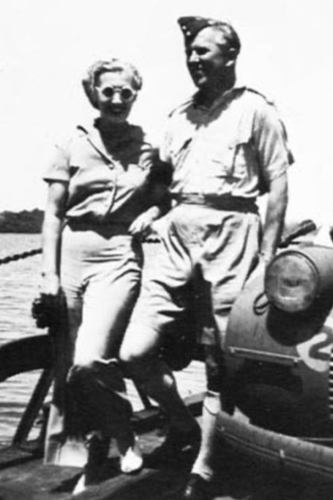
On the evening of Thursday, January 23rd, 1941, Josslyn, Diana, Jock and, good friend of the Broughtons, June Carberry, dined at the Muthaiga Club. It seems as though this dinner was somewhat of a celebration of Josslyn’s and Diana’s relationship, supposedly both Hay and Broughton had visited their respective solicitors in preparation for both marriage, and divorce. Ever the gentleman, Sir Jock raised a toast to the couple, stating ‘I wish them every happiness in the future and may their union be blessed with an heir’.
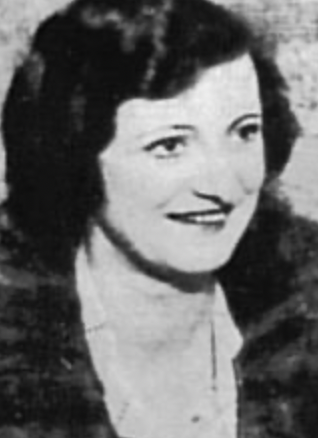
After dinner, the Earl and Lady Broughton left to go dancing at a Nairobi nightclub, with Josslyn promising Jock that he would drive Diana back to their house once the evening was over. Meanwhile, June Carberry and Broughton stayed on at the club to drink, which was commented upon as unusual for Jock as he was not a big drinker. True to his word, Josslyn drove Diana home after she had her fill of dancing and they arrived at the Broughton residence around 2.30am.
Escorting her inside, Josslyn then said his goodbyes and got back into his car to begin the drive, presumably, back to his rental property in the affluent Muthaiga neighbourhood, which lay a short distance from the club. It seems unlikely that he would have begun the arduous journey back to his home on Lake Naivasha at this time of night, for it would have taken several hours over rugged road and, besides, it was a school night. There are very few statements from Diana regarding the Earl’s murder but it is believed that when Josslyn left, she headed straight to bed. The house was silent and there was no light coming from underneath her husbands door, leading her to believe he had retired some hours previously.
Early in the hours of January 24th, 1941, just two miles from the Broughton’s home, a local dairy worker found a Buick at a remote crossroads on the Nairobi-Nygong road, seemingly having slid from it’s path and into nearby brush. Drink, and drug, driving was a common problem in the Happy Valley, as you can imagine, and it wasn’t really policed, especially amongst the ‘white elite’. However, on closer inspection, it became clear that the police would need to be called. Still sat in the drivers seat, but slumped over with his head in the passenger footwell, was Josslyn Hay, 22nd Earl Erroll, a bullet wound by his left ear.
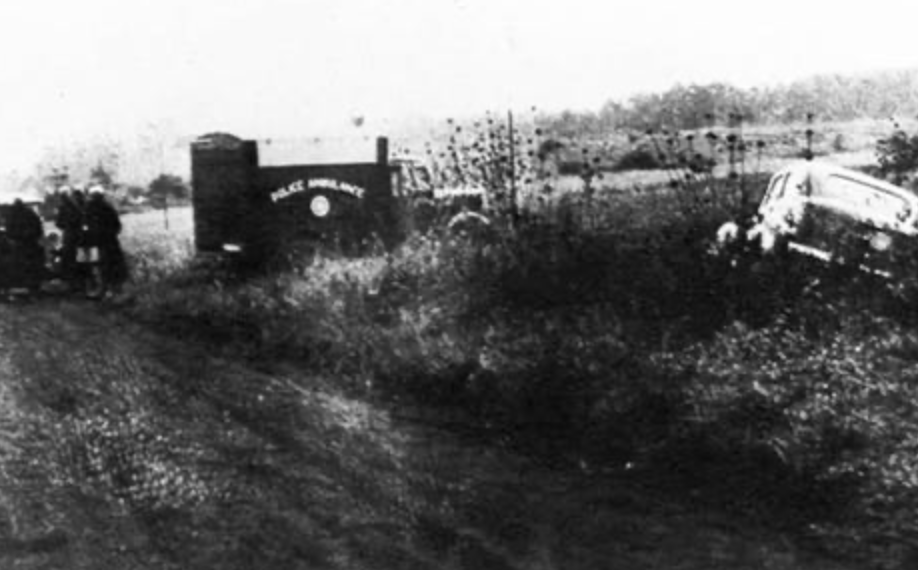
Unfortunately during the recovery of Josslyn’s body and his car, the crime scene was heavily compromised. After sending the Buick to a garage in Nairobi, it was discovered that almost everyone at the scene had managed to leave their fingerprints on it, and any evidence that may have been around the car or on the road had been heavily trampled over. There was also no way to discern whose footprints were whose as there were so many.
This left them with no witnesses and just three remaining pieces of evidence; the .32 caliber bullets, the gunpowder residue on Josslyn’s face and a series of scuff marks in the back seat, including on the back of the front seat. To make matters more difficult, this was the Kenyan police force and they were investigating a colonial murder of an Earl, there were certain protocols that had to be followed and they needed to be very careful that they weren’t stepping on the wrong (white) toes. Plus, the majority of their witnesses were white settlers, who would be very ‘sensitive’ to the authorities ‘sticking their noses in’ to a world that they believed was above them.
With the media coverage of Josslyn’s murder spreading throughout Europe, the police were put under immense pressure to solve the case. Surprisingly, their first suspect was not Sir Jock Delves Broughton, but one of the Earl’s former lovers, Alice de Janzé. Formerly married to Count Frédéric de Janzé, Alice had made headlines around the world some years previously for shooting her lover, Raymond de Trafford, at the Gare du Nord, before turning the gun on herself. Both had survived, but the glamorous Countess had proved she was willing to shoot a man who, in her eyes, had betrayed her, and the late earl’s relationship with Diana could certainly be seen as just that.
Mystery of the Mary Celeste
In October 1872, Captain Benjamin Briggs was busy preparing for his maiden voyage on board the newly refitted…
Keep reading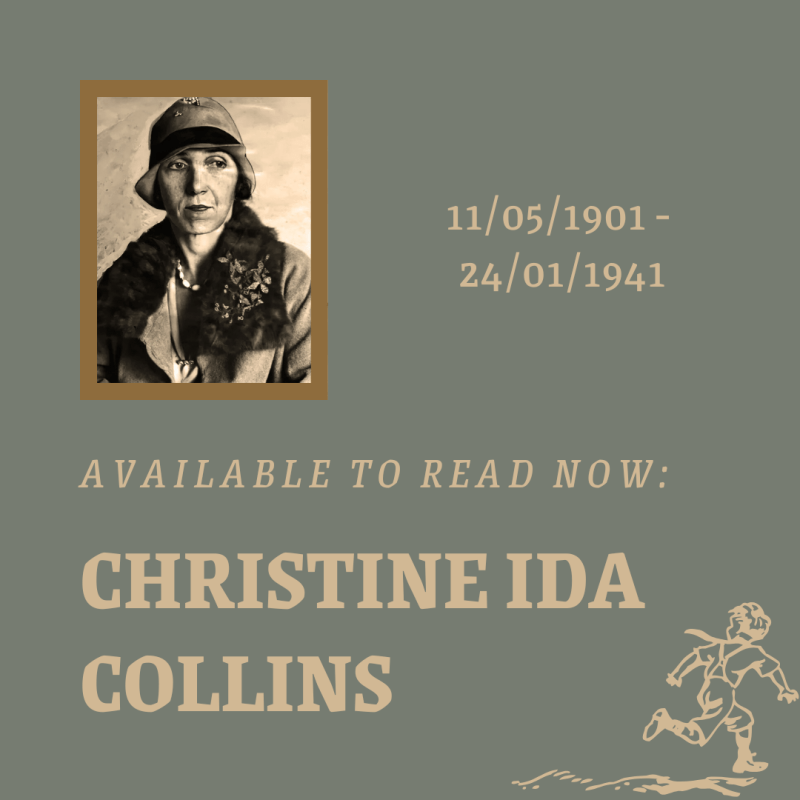
Christine Ida Collins
When her son, Walter, failed to return home on March 10th, 1928, after taking a trip to the…
Keep reading
The Curse of King Tut’s Tomb
Ta-sekhet-ma’at, translating to ‘The Great Field’, is known to us today as the Valley of the Kings. Here,…
Keep readingSomething went wrong. Please refresh the page and/or try again.


Leave a Reply